
What is a Muscle Knot?
- Rina Herenius

- Apr 7
- 3 min read
A muscle “knot” is a term commonly used to describe any tightness or soreness in muscles. It is a hyper-irritable spot within a taut band of skeletal muscle, which is why it often feels like a hard “ball” or “knot” to the touch. A muscle “knot” is medically known as a Myofacial Trigger Point (MTP). This spot is usually painful on compression and can refer pain, tenderness or tingling in other parts of the body. The referred pain or sensations differ from nerve pain (radiculopathy, aka nerve impingement) in that pain from a compressed nerve follows a clear predictable path (a dermatone) down a limb, while myofascial referred pain does not follow a strict nerve path.

A muscle “knot” can also be thought of as a small, contracted section of muscle fibre that has failed to relax and thus disrupting normal function and blood flow in the area.
What causes Muscle Knots
There are numerous factors that can cause muscle knots such as scar tissue, adhesions, general tightness due to poor posture or biomechanics.
A sudden impact or muscle tear caused by acute trauma or injury, can lead to protective tightening of muscle fibres and knot formation.
Muscle overload and fatigue is probably the most common cause and is the result of the following:
Repetitive Strain – repeating the same motion over and over, such as typing, running, throwing, etc.
Unaccustomed Exercise – doing too much too soon in a workout or event.
Sustained Postural Stress – sitting at a desk for long periods, driving long distances, poor posture while standing or sleeping.
Other causes include
Direct stress on the muscle, such as carrying a heavy bag on one shoulder,
Underlying Joint Problems – pain or injury to a joint can cause the surrounding muscles to go into spasm as a way to guard and splint the joint.
Lifestyle Factors such as poor nutrition, dehydration and lack of sleep can impair muscle recovery and make them more susceptible.
Emotional stress can lead to overall increased muscle tension, particularly in the neck, shoulders and back.
How Sports and Remedial Massage can help loosen knots and alleviate pain
There are various techniques and modalities that a trained therapist will use to help loosen knots and alleviate pain, such as,
Ischaemic Compression
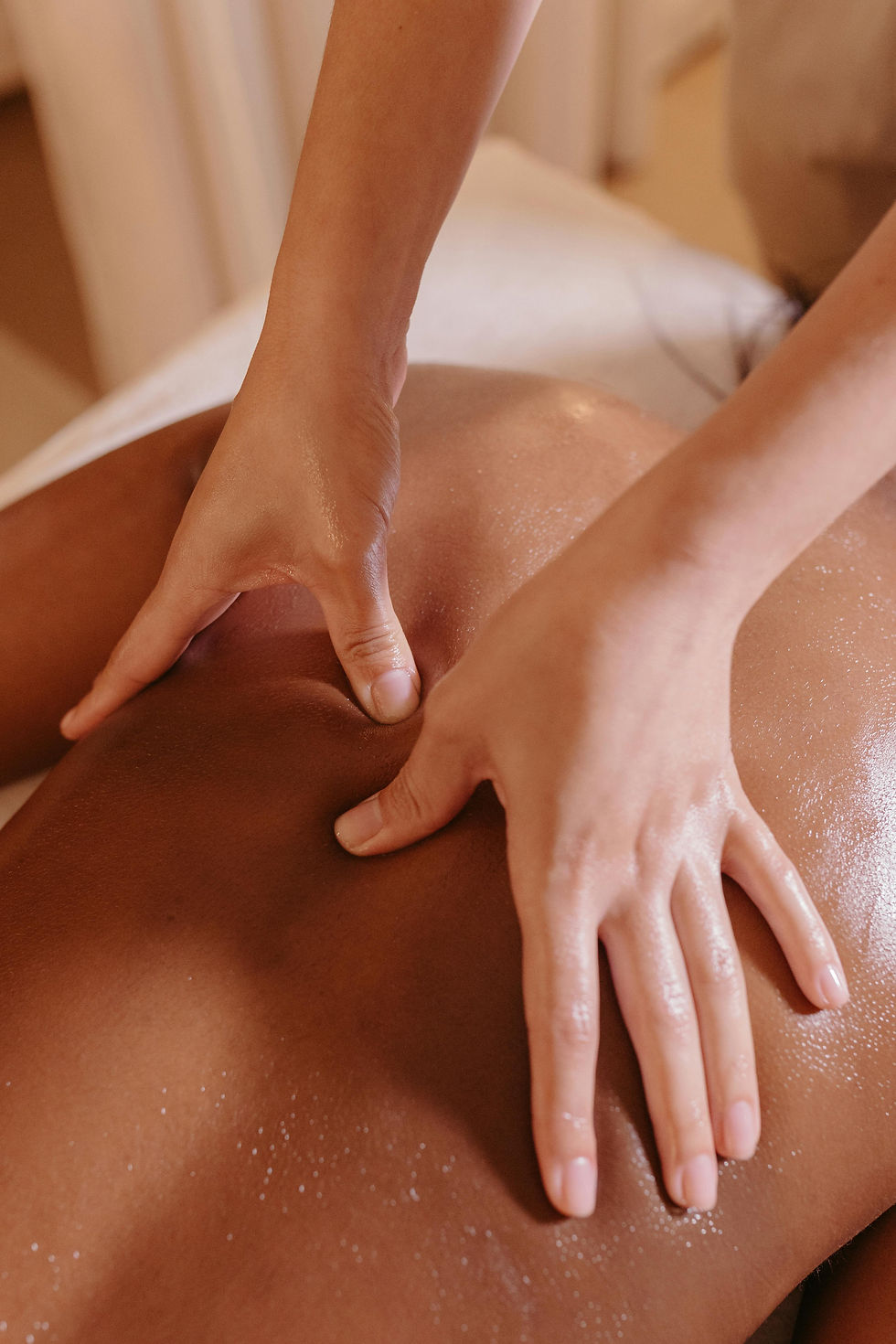
This is the most common treatment used, whereby the therapist applies direct, sustained pressure directly onto the Trigger Point. This technique causes ischæmia (reduced blood flow) and is followed by reactive hyperaemia (increased blood flow) upon release of pressure. The flush of fresh blood, oxygen, and nutrients rush into the area which aids in the relaxation of the muscle fibres. This technique is often described by clients as “good pain”.

Myofascial Release
This technique uses gentle and constant pressure on the connective tissue, or fascia, to release the overall tension and discomfort that is surrounding the knot.
Trigger Point Therapy
The aim is to target hyperirritable spots (active TP) by using deep, focussed pressure to reduce local and referred pain. The therapist may incorporate active or passive stretching of the muscle during or after applying pressure to the area.
Deep Transverse Friction
This is a massage movement that works across the grain of the muscle fibres to help break down adhesions and scar tissue.
Muscle Energy Techniques (MET)
A gentle hands-on method where the client participates using their own muscle power – usually very lightly – to help a tight muscle relax and stretch further. The therapist will guide the client in this technique to contract and relax specific muscles or muscle groups and then take the muscle into a deeper stretch. This is a very effective technique to lengthen a tight muscle and help deactivate stubborn knots.

Passive and Active Stretching
After the treatment, the massage therapist will gently stretch the affected muscles to reinforce their new, relaxed length and to improve range of motion.

Corrective Action and Rehabilitation
The massage therapist will provide some home care advice which is crucial for long-term relief and to prevent recurrence. This will typically include:
Specific Stretching and Strengthening Exercises to help correct muscle imbalances,
Ergonomic and Postural advice such as desk set-up,
Activity Modification.
In summary, a Sports and Remedial Massage therapist doesn't just "rub" a knot away. They determine the cause and use a combination of massage methods and techniques to relieve the immediate pain and discomfort.

Comments